
94 books
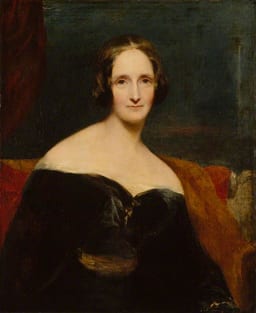
English novelist Mary Shelley (1797–1851) joined Gothic fiction to questions of scientific responsibility, isolation, and the obligations of creation. Frankenstein; Or, the Modern Prometheus follows Victor Frankenstein's experiment and its aftermath without reducing the Creature to a simple monster, making abandonment and moral accountability central. The Last Man imagines a future devastated by plague and tests political hope against the loneliness of survival. Mathilda turns inward toward family secrecy and destructive intimacy, while Lodore and Falkner examine domestic power and the limits placed on women's choices. Frankenstein supplies the clearest entry into Shelley's imaginative method. The Last Man reveals her larger political reach, and Mathilda offers a concentrated psychological counterpoint to the public scale of those novels.

Mary Shelley

Mary Shelley

Mary Shelley

Mary Shelley

Mary Shelley

Mary Shelley

Mary Shelley

Mary Shelley

Mary Shelley

Mary Shelley

Mary Shelley

Mary Shelley

Mary Shelley

Mary Shelley

Mary Shelley

Mary Shelley

Mary Shelley

Mary Shelley

Mary Shelley

Mary Shelley

Mary Shelley

Mary Shelley

Mary Shelley

Mary Shelley

Mary Shelley

Mary Shelley

Mary Shelley

Mary Shelley

Mary Shelley

Mary Shelley

Mary Shelley

Mary Shelley

Mary Shelley

Mary Shelley

Mary Shelley

Mary Shelley

Mary Shelley

Mary Shelley

Mary Shelley

Mary Shelley

Mary Shelley

Mary Shelley

Mary Shelley

Mary Shelley

Mary Shelley

Mary Shelley

Mary Shelley

Mary Shelley

Mary Shelley

Mary Shelley

Mary Shelley

Mary Shelley

Mary Shelley

Mary Shelley

Mary Shelley

Mary Shelley

Mary Shelley

Mary Shelley

Mary Shelley

Mary Shelley

Mary Shelley

Mary Shelley

Mary Shelley

Mary Shelley

Mary Shelley

Mary Shelley

Mary Shelley

Mary Shelley

Mary Shelley

Mary Shelley

Mary Shelley

Mary Shelley

Mary Shelley

Mary Shelley

Mary Shelley

Mary Shelley
Mary Shelley
Mary Shelley
Mary Shelley
Mary Shelley
Mary Shelley
Mary Shelley
Mary Shelley
Mary Shelley
Mary Shelley
Mary Shelley
Mary Shelley
Mary Shelley
Mary Shelley
Mary Shelley
Mary Shelley
Mary Shelley
Mary Shelley
Mary Shelley


